
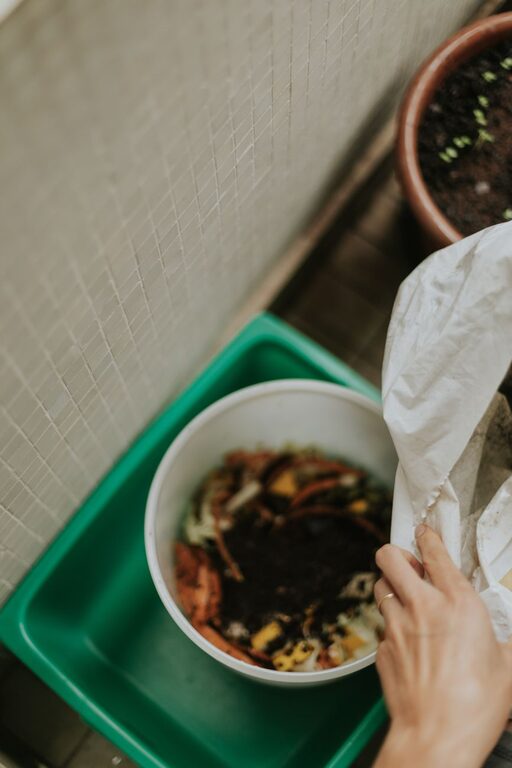
Reducing food waste at home is not only good for the environment but also a smart way to save money and make the most out of your groceries. With a few mindful changes to your shopping, cooking, and storage habits, you can significantly cut down on the food that ends up in the trash. Here are practical and easy-to-follow tips to get started on reducing food waste at home.
Why Reducing Food Waste Matters
Food waste contributes to unnecessary resource use, including water, energy, and labor. When food is thrown away, all these resources go to waste as well. Additionally, decomposing food in landfills produces methane, a potent greenhouse gas. By reducing food waste, you help conserve resources and reduce your environmental footprint.
Plan Your Meals and Shop Smart
Create a Weekly Meal Plan
One of the best ways to avoid buying more food than you need is to plan your meals in advance. Take some time each week to decide what you will cook for breakfast, lunch, and dinner. This helps you create a precise shopping list based on actual meal requirements.
Make a Detailed Shopping List
Having a list keeps you focused when grocery shopping and reduces impulse buys that might go unused. Stick to the list and avoid purchasing bulk items unless you’re sure you can use them before they spoil.
Shop More Often in Smaller Quantities
Buying fresh produce in smaller amounts more frequently can help ensure you use everything while it’s still fresh. This approach reduces the chance that food sits in your fridge and goes bad.
Store Food Properly to Extend Freshness
Understand How to Store Different Foods
Different fruits and vegetables have varying storage needs. For example, keep potatoes and onions in a cool, dark place but avoid refrigerating them. Herbs often last longer if wrapped in a damp paper towel and stored in a breathable container.
Use Airtight Containers
Store leftovers and opened packages in airtight containers to keep food fresher longer. This also helps prevent odors and contamination with other foods.
Label and Date Your Food
Mark containers with the date you stored the food to keep track of freshness. This simple habit makes it easier to use older items first and reduce spoilage.
Make the Most of Leftovers
Repurpose Leftovers into New Meals
Get creative by turning leftovers into entirely new dishes. For example, roasted vegetables can become soup, and leftover chicken can be added to salads or sandwiches.
Freeze Portions You Won’t Eat Soon
If you don’t plan to consume leftovers within a few days, consider freezing them. Properly stored frozen food can last for months and be a convenient meal option later.
Use Stale Bread or Produce in Recipes
Don’t toss slightly stale bread—use it for breadcrumbs or croutons. Overripe fruits are perfect for smoothies, baking, or jams.
Practice Mindful Consumption and Cooking
Serve Smaller Portions
Start with smaller servings at meals. You can always add more if needed, but it helps avoid plate waste when people take more than they can eat.
Teach Family Members About Food Waste
Encourage everyone in your household to be mindful about food consumption and waste. Sharing responsibility motivates better habits.
Use Leftover Ingredients Before Buying More
Before your next grocery trip, check your fridge and pantry for ingredients you can use up. This helps prevent duplicates and reduces spoilage.
Compost Food Scraps
Even with careful planning, some food scraps are unavoidable. Composting is a natural way to return nutrients to the soil instead of sending organic matter to the landfill.
Start a Simple Compost Bin
You can create a compost bin in your backyard or use a small indoor composter. Compost fruit and vegetable peels, coffee grounds, eggshells, and other biodegradable scraps.
Avoid Composting Meat and Dairy
These items can attract pests and create odors. Stick to plant-based scraps for easy and hygienic composting.
Additional Tips to Waste Less Food
– Check expiration dates regularly and use items nearing their best-before date first.
– Buy imperfect produce at farmers markets or stores. These less-than-perfect fruits and vegetables are often discounted and just as nutritious.
– Preserve excess harvest from your garden by canning or drying.
– Use food-sharing apps or local programs to donate surplus food if you have more than you can use.
Conclusion
Reducing food waste at home is achievable with conscious effort and simple habits. By planning your meals, storing food properly, maximizing leftovers, and composting scraps, you make a positive impact on your wallet and the planet. Start adopting these tips today and enjoy fresher food and less waste in your kitchen. Every small step counts!