
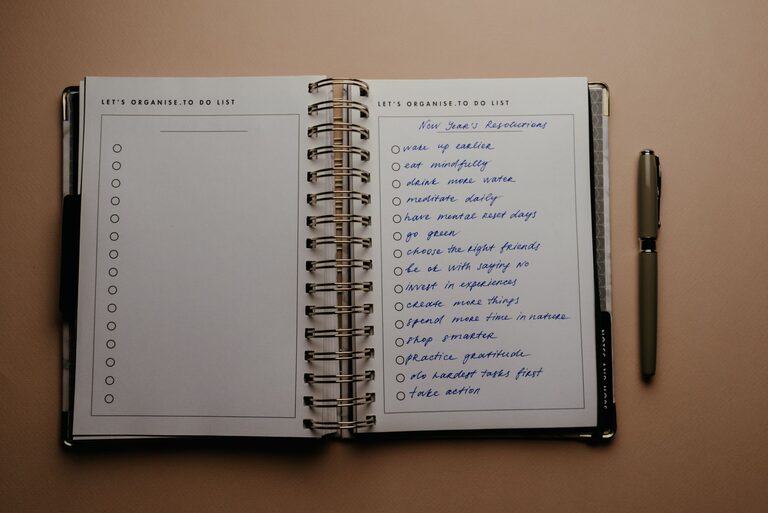
Building better habits is less about making dramatic changes and more about repeating small actions over time. Whether you want to read more, exercise regularly, drink more water, or spend less time on your phone, habit tracking can help you turn good intentions into a reliable routine.
A habit tracker gives you a clear way to see what you have done, notice patterns, and make adjustments. However, tracking alone does not create consistency. The most effective approach combines simple habits, realistic expectations, and a system that is easy to maintain.
Start With One Clear Habit
A common mistake is trying to change too many behaviors at once. A long list of new habits can feel exciting at first, but it may quickly become difficult to manage. Starting with one or two habits makes it easier to focus and build confidence.
Choose a habit that is:
– Specific
– Easy to understand
– Connected to a meaningful goal
– Small enough to repeat regularly
– Within your control
For example, “get healthier” is a broad goal, while “take a ten-minute walk after lunch” is a clear habit. A specific action is easier to remember, complete, and track.
It also helps to define what counts as success. If your habit is reading, decide whether success means reading one page, ten pages, or for fifteen minutes. A clear standard prevents confusion and makes progress easier to measure.
Make the Habit Small at First
Small habits are easier to repeat than ambitious ones. When a habit requires a lot of time, energy, or preparation, it is more likely to be skipped on busy days.
Starting small does not mean your goal is unimportant. It means you are creating a foundation that can grow over time. For example:
– Do two minutes of stretching
– Write one sentence in a journal
– Read one page
– Put away five items
– Practice a skill for five minutes
Once the action becomes familiar, you can increase the duration or difficulty. The first goal is not maximum effort. The first goal is regular repetition.
A small habit also reduces the need to feel motivated. You may not always want to complete a large task, but a simple action can feel manageable even when your energy is low.
Choose a Tracking Method
The best tracking method is one you will actually use. A complicated system can become another task to avoid, so choose a tool that fits naturally into your daily life.
Paper Tracker
A paper calendar, notebook, or printed checklist is simple and visible. Mark an X, check mark, or short note each time you complete the habit.
This method works well if you enjoy writing by hand or like seeing your progress on a physical page. Keep the tracker somewhere you will notice it, such as near your desk, on the refrigerator, or beside your bed.
Digital App
A habit tracking app can send reminders, display streaks, and organize several habits in one place. Digital tools can be useful if you already check your phone regularly.
Avoid adding too many features or tracking more information than you need. A simple completion mark may be enough.
Calendar or Task List
You can also add habits to a calendar or daily task list. This is helpful when your routine already depends on scheduling. A calendar lets you connect the habit to a specific time, while a task list helps you include it alongside other responsibilities.
The tool matters less than regular use. If you frequently forget to update your tracker, simplify the process.
Connect Habits to Existing Routines
One of the easiest ways to remember a new habit is to connect it to something you already do. This is sometimes called habit stacking. The existing routine acts as a reminder for the new action.
Examples include:
– After brushing your teeth, stretch for two minutes
– After making coffee, review your daily priorities
– After lunch, take a short walk
– Before turning off the lights, prepare for the next morning
– After arriving home, place your keys in the same location
Use the structure: “After I do [existing routine], I will do [new habit].”
The connection should be logical and easy to repeat. If the reminder is inconsistent, the new habit may be harder to establish.
Track Completion, Not Perfection
A habit tracker should provide information, not create pressure. Missing one day does not erase your progress. The important step is returning to the habit as soon as possible.
Many people use the rule of avoiding two missed days in a row. This keeps a single interruption from turning into a long break. You may miss a day because of travel, a busy schedule, or an unexpected event. Instead of treating that day as failure, treat it as a signal to restart.
It is also useful to track partial progress. If your usual workout is thirty minutes but you only have time for ten, completing ten minutes may help protect the routine. Decide in advance what a minimum version of the habit looks like.
For example:
– Full habit: Read for twenty minutes
– Minimum version: Read one page
– Full habit: Clean the kitchen
– Minimum version: Wash five dishes
– Full habit: Practice a language
– Minimum version: Review three words
The minimum version keeps the habit active without requiring the same effort every day.
Review Your Progress Weekly
Daily tracking shows what happened, but a weekly review helps you understand why. Set aside a few minutes each week to look at your tracker and ask simple questions:
– How often did I complete the habit?
– Which days were easiest?
– When did I tend to skip it?
– Was the habit too large or inconvenient?
– What helped me follow through?
– What small change could make next week easier?
Look for patterns rather than judging yourself. If you regularly skip a habit in the evening, the timing may not be practical. If you forget the habit on weekends, you may need a different reminder or a more flexible schedule.
Your tracking system should support learning. Use the information to improve the routine, not to criticize yourself.
Design Your Environment
Your surroundings can make habits easier or harder. Adjusting your environment reduces the number of decisions you need to make.
To support a habit, you might:
– Keep a book beside your chair
– Place exercise clothes where you can see them
– Prepare materials the night before
– Keep a water bottle nearby
– Remove distracting apps from your main screen
– Set a reminder at a useful time
You can also make unwanted behaviors less convenient. For example, keep snacks in a less visible place or leave your phone outside the room during focused work. Small changes to your surroundings can have a lasting effect.
Use Rewards Carefully
A simple reward can make a habit feel more satisfying. The reward does not need to be large. You might enjoy a favorite drink after completing a task, listen to music during a walk, or take a relaxing break after finishing a planned activity.
The most lasting reward is often the feeling of progress itself. A tracker provides visible evidence that your actions are adding up. Over time, you may also notice practical benefits, such as having more organized mornings or feeling more prepared.
Try not to rely only on streaks. Streaks can be motivating, but they may also make one missed day feel overly important. Focus on the overall pattern and the benefits of returning to the routine.
Build a System You Can Maintain
Consistency becomes easier when your system is simple, flexible, and realistic. Choose a clear habit, make it small, connect it to an existing routine, and track it with a method you will use.
Remember that progress is rarely perfectly steady. A sustainable routine allows for busy days, changes in schedule, and occasional setbacks. The goal is not to complete every habit flawlessly. The goal is to make the desired action familiar enough that returning to it becomes easier.
Start with one habit today. Track it for a week, review what you learn, and adjust the system as needed. Small actions repeated consistently can create meaningful change over time.