
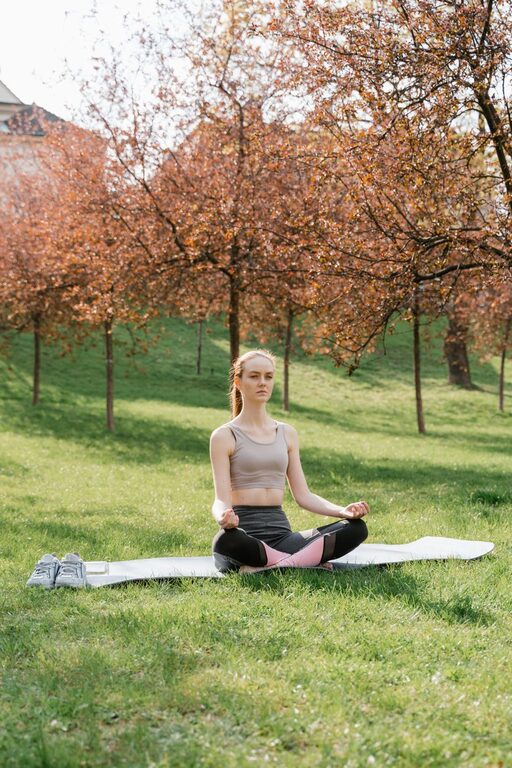
What Is a Mindful Breathing Break?
A mindful breathing break is a short pause during the day when you bring your attention to your breathing. Instead of working, scrolling, or rushing from one task to another, you take a moment to notice each breath as it happens.
These breaks do not need to be long or complicated. A few calm breaths at your desk, in the car before leaving, or while waiting for an appointment can create a useful pause in a busy routine.
The goal is not to breathe perfectly or empty your mind. The goal is to notice the present moment with a friendly, curious attitude.
Why Start With Breathing?
Breathing is a practical focus for mindfulness because it is always with you. You do not need special equipment, a quiet room, or a large amount of free time.
By observing your breathing, you can practice:
– Pausing before moving on to the next task
– Noticing how your body feels
– Returning attention to the present moment
– Creating a clear transition between activities
– Building a simple daily mindfulness habit
Your attention will probably wander. That is normal. Each time you notice that your mind has drifted and gently return to the breath, you are practicing mindfulness.
Begin With Just One Minute
When starting a new habit, keep the first step small. A one-minute breathing break is enough to learn the basic process.
Try this simple routine:
- Stop what you are doing, if possible.
- Sit, stand, or remain in a comfortable position.
- Let your shoulders rest naturally.
- Notice where you feel the breath, such as the nose, chest, or abdomen.
- Follow one inhale and one exhale.
- Continue for several breaths.
- Gently return to your activity.
There is no need to change your breathing. Simply observe its natural rhythm. If counting helps you stay focused, count each exhale from one to five, then begin again.
After several days, you may choose to extend the break to two or five minutes. Increase the length gradually rather than treating a longer session as a requirement.
Choose a Comfortable Position
You can practice mindful breathing in many positions. Choose one that helps you stay both comfortable and alert.
Options include:
– Sitting in a chair with both feet on the floor
– Standing with your weight balanced evenly
– Sitting on a cushion or bench
– Remaining in your usual work chair
– Walking slowly while noticing your breathing
There is no need to use a special pose. Keep your back comfortably upright if that feels natural, but avoid forcing your body into position. You may close your eyes, lower your gaze, or keep your eyes open.
For workplace breaks, keeping your eyes open may feel more practical. At home, you may prefer a quieter setting with fewer distractions.
Use a Simple Breathing Anchor
An anchor is one sensation you return to when your attention wanders. For a breathing break, the anchor can be any part of the breathing experience that feels easy to notice.
You might observe:
– Cool air entering the nostrils
– Warm air leaving the body
– The gentle movement of the chest
– The rise and fall of the abdomen
– The feeling of air moving through the body
Choose one anchor and stay with it for a few breaths. You do not need to notice every detail. If the sensation becomes difficult to identify, simply return to the feeling of breathing as a whole.
Let Your Breathing Stay Natural
Many beginners try to control the breath as soon as they begin paying attention to it. This can make the practice feel strained.
At first, allow the breath to move at its usual pace. You can notice whether it feels slow, quick, shallow, deep, smooth, or uneven without judging it.
If you choose to include a gentle breathing pattern, keep it simple and comfortable. For example, you might silently count a relaxed inhale and a relaxed exhale. Stop the counting if it makes you tense or distracted.
Mindful breathing is about awareness, not performance. A natural breath is perfectly suitable.
Expect Distractions
Thoughts, sounds, sensations, and plans will appear during your break. You may remember an unfinished task, notice an itch, or hear noise nearby.
Instead of treating distractions as mistakes, label them lightly:
– Thinking
– Planning
– Hearing
– Remembering
– Feeling
Then return your attention to the next breath. You do not need to solve the thought or push it away. Notice it, and come back.
This approach can make the practice feel more approachable. Success is not measured by having an empty mind. It is measured by noticing where your attention is and choosing where to place it next.
Connect Breaks to Daily Activities
A regular cue can make mindful breathing easier to remember. Pair a short break with an activity that already happens each day.
Useful cues include:
– Before opening email
– After finishing a meeting
– Before starting a commute
– While waiting for a page to load
– Before eating a meal
– After brushing your teeth
– When moving from work to home activities
You can also set a quiet reminder on your phone or computer. Keep reminders simple and avoid creating too many notifications. The purpose is to support awareness, not add another task to your schedule.
Try the Three Breath Reset
When you have very little time, use a three-breath reset:
First Breath: Arrive
Notice that you are pausing. Feel your feet, your seat, or your hands. Let your attention move away from the previous activity.
Second Breath: Observe
Notice the breath as it is. You might observe its pace, movement, or temperature without trying to change it.
Third Breath: Continue
Look ahead to the next action. Decide what you want to do with your attention as you return to your day.
This brief practice can be done almost anywhere and may be useful during transitions between tasks.
Make the Practice Comfortable and Flexible
Mindful breathing should be adapted to your needs and surroundings. If focusing on breathing feels uncomfortable, shift your attention to another neutral sensation, such as your feet on the floor, your hands, or nearby sounds.
You can also shorten the break, open your eyes, change positions, or return to normal activity. Do not force a particular breathing pattern. If you feel lightheaded, strained, or uneasy, stop and breathe normally.
The practice is optional and should feel supportive rather than demanding. If you have concerns about breathing or physical discomfort, consider seeking guidance from an appropriate qualified professional.
Build a Gentle Routine
Consistency matters more than length. A one-minute break practiced regularly may be easier to maintain than an occasional long session.
To build a routine:
– Start with one planned break each day
– Use the same cue for several days
– Keep the practice short enough to repeat
– Track it with a simple checkmark if helpful
– Celebrate returning to the habit after a missed day
Some days will be busy, noisy, or distracting. That does not mean the practice has failed. Begin again with the next available breath.
A Simple Weekly Plan
For the first week, try this schedule:
– Days 1 and 2: One minute in the morning
– Days 3 and 4: One minute before a regular task
– Days 5 and 6: Two short breaks during the day
– Day 7: Choose the time and length that felt most comfortable
At the end of the week, consider what worked. Was a certain location more convenient? Did a reminder help? Did you prefer sitting, standing, or walking?
Use those observations to create a routine that fits your actual life. Mindful breathing does not require a perfect schedule. It only requires a willingness to pause, notice, and begin again.