
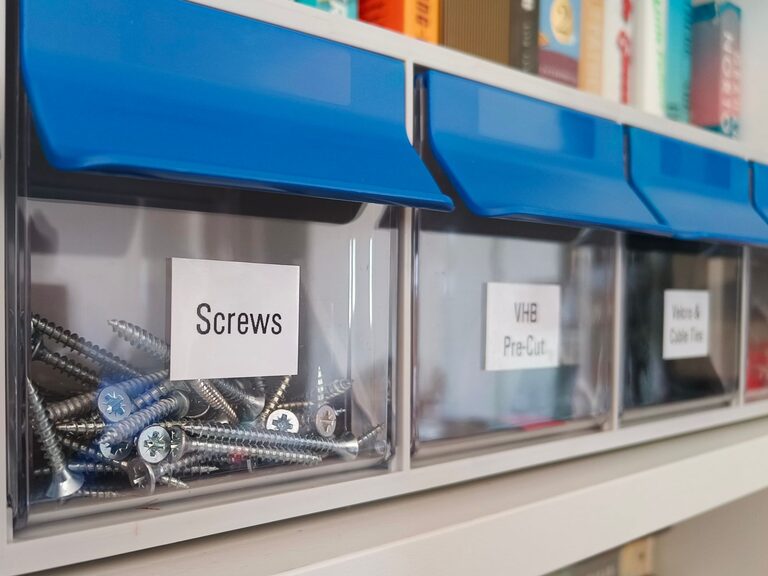
Small spaces can be comfortable and stylish, but they often require more thoughtful storage. When every square foot matters, clutter can build up quickly. The key is to use storage that fits your routines, makes good use of overlooked areas, and keeps everyday items easy to reach.
You do not need a large renovation or expensive custom furniture to improve storage. A few well-chosen changes can create more room and make your home easier to maintain.
Start by Removing Unnecessary Clutter
Before adding storage, take a close look at what you already own. Storage solutions work best when they hold useful items rather than things you no longer need.
Sort your belongings into four groups:
– Keep and use regularly
– Keep but use occasionally
– Donate or give away
– Recycle or discard
Pay special attention to duplicate items, clothing that no longer fits, and objects hidden in boxes that you have not opened in years. Reducing the number of things in your home makes every storage area more effective.
Once you have decluttered, group similar items together. Keeping cleaning supplies, office materials, shoes, or cooking tools in clear categories makes it easier to choose the right storage solution.
Make Use of Vertical Space
Walls are among the most valuable storage areas in a small home. Vertical storage keeps floors clear while adding useful space above desks, counters, and furniture.
Install Floating Shelves
Floating shelves are useful in nearly every room. Place them:
– Above a desk for books and supplies
– Over a kitchen counter for dishes and jars
– Above a sofa for small decorations
– Near an entryway for keys and mail
– In a bathroom for towels and toiletries
Use baskets or small boxes on open shelves to keep loose items contained. If you want a calmer appearance, choose matching containers or limit the number of objects displayed.
Try a Pegboard
A pegboard can organize tools, craft supplies, kitchen utensils, or office accessories. Hooks and small shelves can be moved as your needs change, making the system flexible.
Paint the pegboard to match the wall for a built-in look, or use a contrasting color as a design feature.
Use the Back of Doors
The back of a door is often overlooked. Over-the-door organizers can hold shoes, cleaning supplies, accessories, pantry items, or bathroom products.
Choose a slim design for narrow spaces, and check that the door can still close properly. For a cleaner look, use an organizer with pockets that match the room.
Choose Furniture With Built-In Storage
In a small room, every piece of furniture should earn its place. Furniture that performs two jobs can provide storage without taking up extra floor space.
Consider these options:
– An ottoman with a removable lid
– A bed with drawers underneath
– A bench with hidden storage
– A coffee table with shelves or compartments
– A nightstand with several drawers
– A desk with built-in cabinets
– A sofa with space beneath the seat
Storage furniture is especially useful in living rooms and bedrooms, where blankets, books, toys, and seasonal items can quickly become visible clutter.
When choosing furniture, measure the available area carefully. Leave enough space to open drawers, lift lids, or walk around the piece comfortably.
Improve Under-Bed Storage
The space beneath a bed is ideal for items you do not use every day. Use shallow boxes, fabric containers, or rolling drawers to store:
– Out-of-season clothing
– Extra bedding
– Shoes
– Travel bags
– Holiday decorations
– Keepsakes
Label each container so you can find items without pulling everything out. If your bed sits low to the floor, consider risers to create additional clearance. Use sturdy risers designed for furniture, and make sure the bed remains stable.
For a polished appearance, choose containers with lids or use a bed skirt to hide open storage.
Organize the Entryway
A small entryway can become crowded with shoes, coats, bags, and mail. Simple storage can make this high-traffic area easier to use.
Install wall hooks for coats, hats, and bags. Add a narrow shoe rack or a storage bench if there is enough room. A small tray or wall-mounted organizer can hold keys and other daily essentials.
If your entryway is extremely narrow, use a slim shelf with hooks underneath. This combination provides a place for small items without blocking the walkway.
Create a simple rule for the area: keep only the shoes and outerwear used during the current season near the door. Store the rest elsewhere.
Maximize Kitchen Cabinets and Drawers
Kitchen storage is often limited, but the inside of cabinets and drawers may not be fully organized. Add shelf risers to create extra levels for plates, mugs, and cans. Use drawer dividers for utensils and small tools.
Other useful options include:
– A pull-out shelf for deep cabinets
– A lazy Susan for sauces and spices
– A narrow rolling cart between appliances
– Hooks under cabinets for mugs
– A magnetic strip for metal kitchen tools
– Stackable bins for pantry items
Store frequently used items at eye level and place occasional items higher or farther back. Clear containers can help you see what you have, but use them selectively. Too many containers may create extra work and take up more space than necessary.
Use Corners and Narrow Gaps
Corners are easy to ignore, yet they can hold valuable storage. A tall corner shelf can display books, plants, or small baskets. A corner cabinet can add concealed storage in a kitchen, bathroom, or living room.
Narrow gaps can also be useful. A rolling cart may fit between a refrigerator and a wall, beside a washer, or next to a desk. Use it for pantry goods, toiletries, laundry supplies, or office materials.
Measure narrow spaces before buying anything. A gap that looks large enough may not provide room for handles, wheels, or easy access.
Keep Closets Working Efficiently
Closets often have unused space above the hanging rail and along the floor. Add a second hanging rod for shorter clothing, shelf dividers for folded items, and hooks for bags or belts.
You can also:
– Use matching slim hangers to save rail space
– Store shoes on a vertical rack
– Add labeled bins to the top shelf
– Place a small basket on the floor for accessories
– Keep one section open for laundry or frequently used items
Avoid filling every inch of a closet. A little open space makes it easier to see and remove what you need.
Create a Simple Maintenance Routine
Even the best storage system will not stay useful without regular maintenance. Choose a short weekly routine to return items to their assigned places. Once a month, check for things that have migrated into the wrong room.
Use these habits to keep clutter under control:
– Put items away after using them
– Keep everyday objects within easy reach
– Store similar items together
– Label containers when contents are not obvious
– Review seasonal belongings twice a year
– Avoid buying organizers before measuring the space
The most effective small-space storage is not always the largest or most attractive option. It is the system that fits your home, supports your daily habits, and remains easy to use. By combining vertical storage, multifunctional furniture, organized closets, and regular decluttering, you can make a compact home feel more open and manageable.