
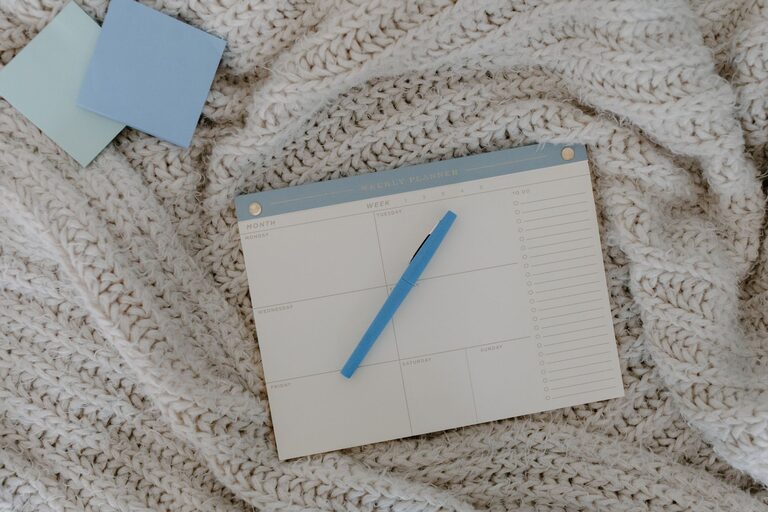
A relaxing weekend does not happen by accident. Without a little planning, two days can quickly fill with errands, social commitments, unfinished tasks, and last-minute decisions. The result may be a busy weekend that feels more tiring than refreshing.
The good news is that planning a no-stress weekend does not require a complicated schedule. A few thoughtful choices can help you protect your time, complete important tasks, and make space for rest. The goal is not to plan every minute. It is to create enough structure to enjoy the weekend without feeling rushed.
Start With Your Main Goal
Before making plans, decide what you want the weekend to feel like. Your goal might be rest, connection, creativity, outdoor time, or catching up at home.
Choose one or two priorities rather than trying to do everything. For example:
– Rest and recharge
– Spend time with family or friends
– Complete a few home tasks
– Explore a local area
– Work on a hobby
– Prepare for the week ahead
A clear goal makes it easier to say no to activities that do not fit. It also helps you avoid filling your schedule simply because you have free time.
Make a Short List of Essentials
Write down the tasks that truly need to be completed during the weekend. Keep the list short and realistic. If everything feels important, separate the items into three groups:
– Must do: Tasks with a deadline or clear consequence if delayed
– Should do: Helpful tasks that can improve the coming week
– Could do: Optional tasks to complete only if you have the time and energy
Try to choose no more than three must-do tasks. A long list can make your weekend feel like another workweek. Once the essentials are complete, the remaining time can be flexible.
Estimate Time Honestly
When planning tasks, include time for preparation, travel, breaks, and cleanup. A grocery trip may take more than the time spent in the store. A home project may require gathering supplies or putting tools away.
It is also helpful to add extra time between activities. A schedule with back-to-back plans leaves little room for delays and can make even enjoyable activities feel stressful.
Create a Light Weekend Schedule
A simple schedule can provide structure without making the weekend feel rigid. Divide each day into broad sections such as morning, afternoon, and evening.
For example:
– Friday evening: Unwind and prepare for Saturday
– Saturday morning: Complete one important task
– Saturday afternoon: Enjoy a planned activity
– Saturday evening: Relax or meet friends
– Sunday morning: Slow start and personal time
– Sunday afternoon: Light preparation for the week
– Sunday evening: Early wind-down
This approach gives you a general plan while leaving room for changes. You do not need to schedule every meal, break, or free moment.
Leave Open Space
Aim to keep at least one open block of time each day. This space can be used for a spontaneous outing, extra rest, an unfinished task, or simply doing nothing.
Open time is not wasted time. It helps prevent small delays from affecting the entire day and gives you the freedom to respond to how you feel.
Plan Meals and Basic Supplies
Food decisions can take up more time than expected, especially when you are tired or hungry. A simple meal plan can reduce unnecessary trips to the store and make the weekend easier.
Choose a few meals that are convenient and enjoyable. You might prepare one larger dish for leftovers, keep easy breakfast options available, and select one meal to enjoy outside the home.
Before the weekend begins, check whether you have basic supplies such as:
– Breakfast foods
– Snacks
– Drinks
– Ingredients for planned meals
– Household essentials
– Items needed for an activity
The goal is not to prepare every meal in advance. It is to remove avoidable decisions and make it easier to relax.
Set Boundaries Around Work and Messages
If possible, decide when you will stop checking work messages or completing work-related tasks. A clear stopping point helps you transition from work time to personal time.
You may also want to silence nonessential notifications during certain parts of the weekend. This can make it easier to focus on a meal, conversation, hobby, or period of rest.
If you need to remain available for a specific reason, choose set times to check messages instead of checking constantly. Communicating your availability to others can also reduce interruptions and unclear expectations.
Balance Activities With Rest
A common mistake is treating the weekend like a list of events. Even enjoyable plans require energy, travel, and attention. Try to balance active periods with quieter ones.
For example, pair a busy Saturday afternoon with a relaxed evening. If you plan to visit several places, leave time to sit down and reset between activities. If you are hosting guests, make the meal or gathering simple enough that you can enjoy it too.
Rest can include:
– Reading
– Taking a walk
– Listening to music
– Watching a favorite show
– Sitting outdoors
– Taking a quiet break
– Enjoying a hobby without a performance goal
Rest does not need to be productive to be worthwhile.
Make Plans Easier to Enjoy
When planning an outing, consider the practical details in advance. Check opening hours, travel time, weather conditions, parking options, and whether reservations are needed.
Keep a small backup plan for changes. If outdoor plans depend on good weather, choose an indoor alternative. If a restaurant is busy, know where you could eat nearby. A backup plan reduces pressure when circumstances change.
At the same time, avoid overplanning every detail. Leave room for discovery and adjustment. The best plan is one that supports the experience rather than controlling it.
Use a Simple Reset Routine
A short reset routine can help you end the weekend calmly and begin the new week with less pressure. Keep it brief so it does not take over your Sunday.
You could spend 30 to 60 minutes doing the following:
– Put away items that are out of place
– Review your calendar
– Choose clothes for the next day
– Prepare a simple breakfast or lunch
– Check household supplies
– Write down the first few priorities for Monday
Focus on making the next morning easier, not on completing every possible task. A few small preparations can create a smoother transition.
Know When to Say No
A no-stress weekend often depends on declining plans that do not fit your time or energy. You do not need a detailed explanation. A simple response such as “I cannot make it this weekend, but I hope you have a good time” is enough.
You can also suggest a less demanding alternative, such as a shorter visit, a phone call, or a plan for another day. Protecting your time allows you to be more present when you do choose to participate.
Keep Expectations Realistic
The perfect weekend does not require perfect weather, a spotless home, or a full schedule of enjoyable activities. Some weekends will include delays, chores, low-energy moments, or unexpected changes.
Rather than judging the weekend by how much you accomplished, consider whether it gave you a chance to rest, connect, or enjoy something meaningful. A successful weekend may be quiet and simple.
With a short list of priorities, open time, easy meals, clear boundaries, and a gentle reset routine, you can create weekends that feel more spacious and manageable. Plan enough to reduce uncertainty, then leave room to enjoy the time as it unfolds.